Sunday, 15 November 2015

Robinvale, Hattah-Kulkyne National Park and Pear Tree Cottage (Nangiloc near Mildura)


Robinvale

8 – 9 November 2015

We drove towards Hay and made a short stop at Black Swamp – for the birdwatching of course. It didn’t live up to the publicity so we didn’t stay long. After a stop for fuel in Hay, we drove on to Balranald and stopped for lunch at one of the many rest stops along the way. There was one about every 20 minutes, and some were better than others. The one we stopped at (Willow Vale I think) had dedicated truck parking, new toilets and picnic tables.

We drove on through Balranald and into Victoria. We crossed the Murray River and stopped at the caravan park in Robinvale, right on the river. The park had good reviews and they were fairly accurate – the caravan park was well kept, with good facilities and very friendly staff and visitors – a great location, but one that would be very crowded in school holidays and long weekends.

The area around the Murray River close to the SA border is prime habitat for Regent parrot, another striking, long tailed parrot. It favours River red gums and is mainly seen either flying by in pairs or small flocks, or perched high in gum trees. Frustrating for a hopeful photographer. They were seen regularly flying over the caravan park and a couple stopped briefly allowing me to get this shot of a female. Mick.

Female Regent parrot.
We did some shopping at the local IGA supermarket and had a generally quiet afternoon. Next morning we packed up and headed back into town for a coffee and stop at the Visitor Information Centre. We knew it was only a short drive to our next destination, Hattah-Kulkyne National Park.


Lake Hattah – Hattah-Kulkyne National Park

9 – 12 November 2015

We had booked in advance to stay at Hattah-Kulkyne – as is required in Victorian National Parks – and paid the rather high fee of $37 per night, for three nights. We had camped here about 9 years ago and Mick was keen to return to this mallee park. We arrived around lunch time, set up camp and watched the temperature rise steadily through the afternoon.


We ventured out on the Hattah Nature Drive - a very easy loop. With the interpretative information provided in a leaflet available from the visitor centre, it was an interesting outing. The stops are well sign-posted and provide the visitor with an insight into this national park, its history and ecology.

Apostlebirds around their mud nest, a short, but very hot walk from camp.
By late afternoon it was 36 degrees and we were struggling with the heat. We drank lots of water and did very little, except try to dodge the flies and little black ants. We both agreed this wasn’t shaping up very well at all. The temperature didn’t start to drop until after dark so we abandoned our plans for a camp oven dinner – opting instead for cold chicken and potato salad we had managed to cook despite the conditions. We retreated into the camper trailer to eat, and it was a welcome, if a little hot, relief from the insects.

The temperature did drop to a manageable level overnight and the next day looked bright and clear, with the promise of a milder temperature. We headed out early, bound for a spot Mick remembered from our last visit and ended up at the Warepil Lookout. The walk was a  steady climb to the top of a sand dune, then up the steps to the top of a lookout platform. The view was the same in all directions – flat, covered in mallee vegetation.

After morning tea back at camp we headed out again, this time bound for the Mournpall Campground to have a look. Along the way we ran in to another bird photographer – Michael and his partner Jill. The two Michaels started chatting and discovered they have been Flickr friends for some time. What a nice surprise!

We headed back to camp for lunch and the weather had changed again - a gentle breeze kept the temperature at a reasonable level. In the afternoon we drove out again along the Mournpall Track and then onto the Konardin Track in search of birds. The roads in the park are all unsealed but in generally very good condition. There are some sandy tracks, but we had no trouble negotiating the ones we travelled on.

Female Mallee emu-wren
Male Mallee emu-wren
Male Splendid fairywren.
After a very windy night we set out again along the various tracks. The weather was fine, but there were some clouds starting to gather during the afternoon, and rain was forecast for the following day - our last at Hattah-Kulkyne. 

The two camp grounds at Hattah-Kulkyne are similar, both have toilets in a couple of locations, some fire pits (which we couldn't use thanks to the heat one day, and the wind the rest), and some picnic tables and chairs. You cannot gather firewood within the park, but between the highway and the grid at the park entrance, you can. We camped at Lake Hattah and had views of the lake, but next time we will probably try Lake Mournpall because it looked shadier and most campsites were closer to the lake.

There seems to be more Noisy mynahs, and bollards, around the camp than I can remember from our last visit, but it was great to be back in the mallee. Lots of the species here can be quite tricky to find, let alone photograph. One is the Red-lored whistler and another, the Striated grasswren. We had an encounter with the whistler but did not see hide nor hair of the grasswren. I'm very happy to have left with some nice shots of the Mallee emu-wren, another one that's not easy to find. Mick

The rain that was predicted, started during the night with lots of thunder. Through the morning storms moved across, some quite heavy, and some with thunder and lightning so it was a wet pack up. Because of the rain, we headed straight to the highway for the drive to our next destination - Pear Tree Cottage at Nangiloc. If the weather had been fine we could have driven through the park along the Mournpall Track.


Pear Tree Cottage - Nangiloc

12 - 15 November 2015

We had stayed at Pear Tree Cottage nine years ago, and promised to return and we finally had our chance. The cottage itself is the old family home on a citrus orchard. It's a quirky A-frame with 4 bedrooms, and an outside (but modern) toilet. We were greeted warmly by our hosts Barb and Dave, who remembered us from our previous visit! We were treated to fresh squeezed orange juice, fresh oranges, avocados, lemons and garlic. All produce from the family farm. Dave is also a keen birdwatcher so was happy to share some information about likely spots with Mick.

The old A frame nestled among Jacaranda trees has bags of character.
Inside is pretty quirky but comfortable.
Outside in the jacaranda tree a Collared Sparrowhawk has a meal.
The flowering jacaranda provides a nice backdrop.
After much needed showers and lunch we headed into Mildura to pick up supplies so there was no birdwatching that afternoon. In the morning we headed back into Hattah-Kulkyne NP armed with Dave's instructions, in search of the Malleefowl. We stopped on the sand ridge, walked along and - no malleefowl mound. We thought maybe we had the wrong one, so drove to the next sand ridge and tried again - still no mound, so we gave up and headed home for lunch. During the afternoon, Dave showed Mick the exact spot using Google Maps, so we headed out again - and there it was, not only the mound but the bird as well. Mick was pleased to be able to get some shots of it, but it was very shy and mostly stayed behind vegetation.

Malleefowl
Another Splendid fairywren, it's very hard not to photograph these.
Yellow-plumed honeyeater.
In the morning we went out for a drive along Castle Crossing Road where there is still some remnant mallee - most has been removed to make way for vineyards and orchards. This road leads out the dump and passes a nice little wetland, as well as the promised stands of mallee. A short drive from Pear Tree Cottage and a pleasant morning.

A great many parrots live in this area. Regent, Mulga, Major Mitchell's, Blue bonnet, Red-rumped, Ring-necked and Elegant parrots are among the species that can be seen, if you're lucky. Mick. 

Male Regent parrot
The beautiful Mulga parrot.
We drove the short distance down the road to the local pub - The Riverbend Tavern - for lunch. A typical country pub feed at a reasonable price. The business also includes the Post Office and shop - and is vital to a small community such as Nangiloc.

Later on we went back to the Boundary Track in search of the Malleefowl for some better photos - but alas he was not home this time. Ever the perfectionist Mick will have to make do with the ones taken the previous day.

Barb has a small stall at the gate, selling farm produce, so we bought a dozen fresh eggs to take with us. We had enjoyed the avos, oranges, cherries and garlic provided too. We headed off towards Ouyen and the next part of our adventure.

Sunday, 8 November 2015

Cootamundra and Deniliquin, including Wanganella Creek


Cootamundra

2 – 4 November 2015

We drove back along the Wombeyan Caves access road and on towards Taralga, then turned off to Crookwell. We stopped at the Visitor Information Centre and were pleasantly surprised by the wealth of information provided. We had coffee and went back down to the Sock Shop – locally made socks, some made from local merino wool. We were treated to a short history of the business, as well as a “behind the scenes” look at the machinery at work. A real treat in a small country town.

We planned to stay in Yass so stopped to have a look around. There is parking for RVs and caravans just off the main street – and a short walk to supermarkets and visitor centre. It would be great if all towns did this. After checking out a few things, and visiting two op-shops we decided to move on to Cootamundra instead.

A Silvereye seen checking Christmas lights in a Coota yard.
We found our way to the caravan park and settled into a cabin for a couple of days. The weather had been awful and more of the same had been forecast so we felt a little treat was in order. The RSL club is just a short walk so we treated ourselves to dinner. 

The morning was bright and sunny – no sign of rain and Mick was keen to go looking for the Superb parrot. Our hosts at the caravan park had guaranteed that he would see one so he was very excited. Unbelievably there was one in the tree in the caravan park! A walk in the nearby park resulted in some excellent photos as well. We walked into town for a look around – it’s just a short stroll from the caravan park. In the afternoon we walked back into town to the Visitor Information Centre, and later, along the creek for a short way.

Graham Yallop
There are some superb busts of cricketers at the park but it was a Superb parrot that I was after. I had never seen this beautiful long tailed parrot until we hit the outskirts of Coota. A pair flew high above the car as we drove in to town and although not seen well enough to tick, the silhouette was distinctly that of a Superb. Sleek, with long tail and fine long wings, bigger than a Musk lorikeet. My next encounter was on the way to the club for dinner, a single bird flew over much lower and with the evening sun lighting it up beautifully. I had a brief but clear view. Tick! 

Now all I needed was a nice pic. The next morning I found a single bird in the tree I was told they favoured in the caravan park. I managed to get a couple of decent shots of its head before it flew. Over to the Captains Walk to see if I could do better. On my first lap of the park I noticed a pair of Superbs land in a River red gum. As I approached slowly, they flew to the ground and began feeding, oblivious to my frenzied clicking. It's nice when things fall into place so easily, but all too rare. Mick.


Male Superb parrot.
Cootamundra is the birthplace of cricketing legend, Donald Bradman, so cricket features heavily in the tourist offerings. Jubilee Park is adjacent to the caravan park, and is home to the Captains Walk – a series of bronze sculptures of all Australian Test Cricket captains. Some of them show exceptional skill, while others bear no resemblance to the real person, and others are just plain scary – but it is certainly worth a look.


Also in the park were Galah and Eastern rosella along with lots of Red-rumped parrots (not pictured)
We left Cootamundra after a very pleasant couple of days, bound for Deniliquin.


Deniliquin

4 – 6 November 2015

We decided to head to Deniliquin. We’d stayed there before and Mick remembered some good birdwatching. There are a number of ways you can travel from Cootamundra to Deniliquin, we drove through Junee and Wagga Wagga, towards Narrandera, then turned off to Urana, stopping at Lockhart for lunch in the park. From there it was on to Jerilderie and then through Conargo to Deniliquin.

More rain and storms were forecast so we again decided on a cabin. We returned to the caravan park we had stayed at about 10 years ago – and ended up in the same cabin! This park is right on the Edward River and bordered by the Murray Valley Regional Park so lots of bush and birds.

Our walk was rained on, and the skies were very grey so we felt we had made the right decision. There was more rain overnight but no big storms. We ventured out to the Visitor Information Centre in the morning, and to pick up some supplies. Mick obtained information about a couple of likely spots for birdwatching – and it rained quite heavily for a while. 

After lunch we drove to Mathoura – about ½ hour away – and on to the Reed Beds Bird Hide. This is a really nice spot, and very well set up. Information signage is available at the entrance and along the boardwalk are signs depicting the various birds which might be seen. Each sign has a picture of the bird on one side and information on the other. If you spin the sign around completely, you will hear a recording of the bird’s call, and there is also a QR code which provides a link to the Birds Australia website information on the bird. Excellent – but there is more! In the bird hide itself, there are a number of panels scattered around – each depicting a bird which might be seen – and each relating information using a different format – Facebook, email, postcard, letter etc. There’s also the QR code so visitors can be sure of an informative and educational visit. I thought it was fabulous.


There was rain overnight – but not as much as we had anticipated. We set off for the short drive to Wanganella Creek Camp Park – just 35 km north if Deniliquin.


Wanganella Creek Camp Park

6 – 8 November 2015

We had read about Wanganella Creek Camp Park and the lady in the Visitor Information Centre in Deniliquin said it was a lovely spot so Mick had rung to book. We drove up the Cobb Highway and, following the instructions given, stopped at the Post Office / shop just over the bridge to check in, pay and obtain the key for the camp ground. Back over the bridge and we found a nice spot – closest to the creek.

This is a small camp ground right on what is reputed to be the longest creek in Australia. The camp ground has an amenities block with individual bathrooms, as well as separate toilets and laundry (no washing machine, just a laundry tub). At $25 per night for a powered site, and access to a great camp kitchen, it’s pretty good value. The sky was grey when we arrived, but cleared as the day went on, and the wind replaced the rain so we were grateful for the well-appointed camp kitchen – fridge, microwave, kettle, toaster and electric hotplates – everything we could need. 

After a leisurely afternoon, the owner Lex, arrived and introduced himself, and provided a little information about the region. He owns the land all the (short) way to the bridge and told us this spot is usually quiet. We were the only ones there on the Friday night so we appreciated the solitude.

Western gerygone
White-winged fairywren
Yellow rosella
Red-rumped parrot
Saturday would have been a beautiful day if it hadn't been for the wind. We did go for a walk along the creek but ended up spending most of the day in the shed (camp kitchen). It was a good relaxing day and there were still no other visitors.

The wind dropped during the evening and so we had a quiet night. We packed up, stopped for a chat with Lex and headed off for Victoria via Hay.

Monday, 2 November 2015

Ganguddy (Dunn's Swamp) and Wombeyan Caves


Ganguddy - Dunn's Swamp

29 - 31 October 2015

We left Mudgee by 9.30am and drove back down the Castlereagh Highway toward Lithgow – turning off towards Rylestone, on the way to Ganguddy (Dunn’s Swamp). This is Wiradjuri country, home of the Dabee people and it is beautiful! We arrived at lunchtime after a short stop for coffee in Rylestone. This is a popular campsite but we found a spot a little way away from a big group of caravans and campers. The weather was beautiful so we ventured out for short walk. There are a  number of walks that leave from the camp and picnic grounds.

Nearly always the first creature encountered in a new camp.
Weather sculpted, sandstone outcrops and Scribbly gums give this landscape its unique character.

Another photographer pointed out a spot where he had photographed lyrebirds so Mick was keen to check that out. He was rewarded with a good look but only passable photos, but the big excitement on the way back to camp was the, so far, elusive rockwarbler. This is New South Wales’ only endemic species, and Mick has been chasing it for some time, and it was less than 50 metres from our camp!

A rockwarbler at last!

Superb Lyrebird.
We took the Campsite Rocks walk, where interpretive signage explains the history and geology of the area. The rock overhangs were used by the Dabee and hand stencils can still be seen. As in many parts of Australia, this area also has a shameful history of massacre of local aboriginals.

There was some firewood supplied so we collected some, anticipating a cold night – and we weren’t wrong. A camp fire before bed, and both quilts ensured we were snug and warm throughout the night. It was only 7 degrees at 7am so a slow start was in order.

Despite the cold overnight temperature, the morning was clear and bright and shaping up to be another beautiful day. We decided on the walk that took us to the Cudgegong Picnic spot and along the water. This was a very good choice. The well-made track was fairly level and made for a pleasant amble through the bush. Not many birds but lots of photos of the magnificent scenery.We spent some more time walking in the afternoon around the campground rocky outcrops.

Cudgegong picnic place.
Platypus Point
We decided to stay an extra night because this was such a beautiful spot, so paid an extra night’s registration on Friday morning. We headed out after morning tea on the Weir Walk. Again a beautiful walk, but much more challenging than the one we did the previous day. This one had a number of steep climbs and required a few rest stops. The morning was hot, which didn’t help. I called a stop when we reached the bottom of the stairs up to the lookout. Mick accepted the challenge and climbed to the top to take some photos. We headed back to camp rather than continuing on to the weir.

Australian Painted Lady
Butterflies and wildflowers were abundant along the walking tracks.
The view was spectacular, but the walk challenging
Later in the day our friendly neighbours – also Queenslanders - offered us the use of their kayak, so we each had a short paddle on the water. This is a popular pastime here.

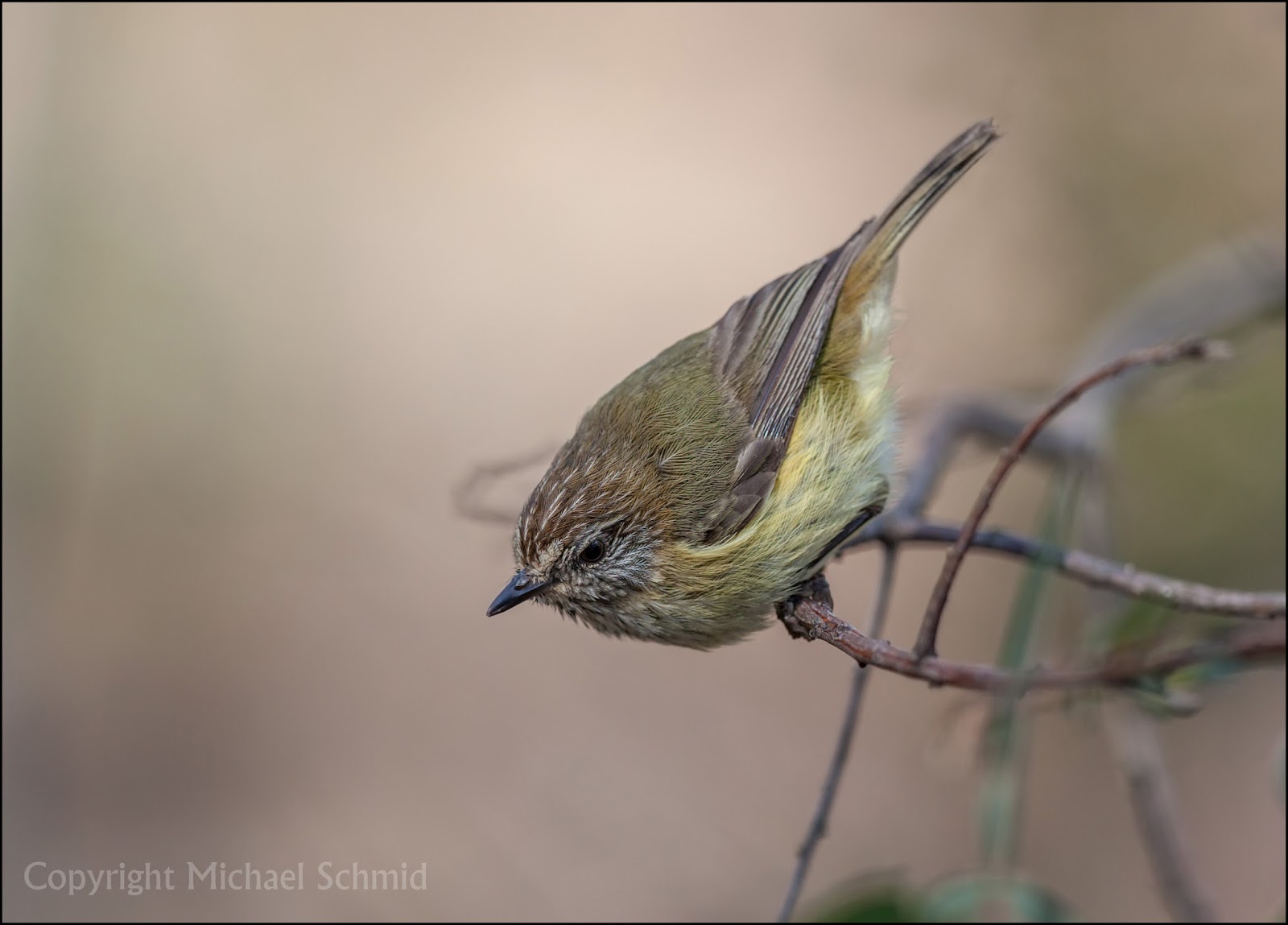
Striated thornbill
Superb fairywren
White-throated gerygone
Cunningham's skink

This campground is reasonably priced at $6 per person per night (self-registration on arrival), and well set out with sites suitable for tents, caravans and trailers. There are toilets scattered around and lots of fire pits as well. Well done NSW Parks and Wildlife! I think Ganguddy is now on my list of must see places.


Wombeyan Caves Karst Conservation Park

31 October - 2 November 2015

We left Ganguddy and drove into Kandos for supplies. There is a big IGA supermarket as well as a butcher and op shop. We went back to the Castlereagh Highway, then turned off at Ilford for the alternative route to Bathurst. We stopped at Sofala, another old gold town, and had a coffee at the little museum in the back blocks. There were also a couple of coffee shops and a pub in the main street. From there we drove through Bathurst, towards Oberon. We finally spotted a picnic area for lunch at the Fish River. It had picnic tables and a toilet and was right on the river. From there we made our way to Oberon. Because the weather was looking very nasty, we thought we’d shout ourselves a cabin for the night, but the caravan park was fully booked. Perhaps people stay there on the weekend to visit Jenolan Caves, as the road from Oberon is better than the one from Lithgow. 

We drove on to Wombeyan Caves as this was where we intended to go next anyway. We settled into a powered site in the caravan park section and the rain started to fall. Lucky we arrived when we did. The temperature dropped significantly and the wind blew – but we remained warm and dry in the camper trailer. 

The morning dawned with clear skies, even though it was still quite cold. We spent some time getting the washing done (cheapest washer and drier ever - only $1 per load!), and by that time the temperature had risen and we set off on the Waterfall Walk. Again a challenging walk with the narrow path, very loose underfoot, skirting the high bank along the creek. There were plenty of up and down sections too. We only went as far as the first creek crossing - about 1 kilometre – then headed back to camp for lunch.

Satin bowerbird
Male Satin bowerbird
After lunch we went for a walk down to Victoria Arch. You can visit a number of the caves on a guided tour, or one as a self-guided tour, but all have many stairs. The Arch is easy to access and is still quite a sight – not unlike the Grand Arch at the entrance to Jenolan Caves. We spent some time there – with the temperature noticeably colder as you enter.

The very impressive Victoria Arch
On returning to camp, the evening was much warmer than the previous one, and the camp ground much more deserted – all the weekend visitors had left. Our peaceful night was not to last long as another fierce thunderstorm crashed around us, and without internet or phone access we were unable to get any details (such as the BoM weather radar or warnings). The worst of the storm didn’t last too long, but we did shelter for a while at the laundry as the lightning flashed nearby. Once the worst was over, we returned to the camper and settled down, only to be woken again in the early hours by more wind and rain. The camper withstood the onslaught, and was mostly dry by the time we came to pack up. We missed the next shower of rain by minutes only.